
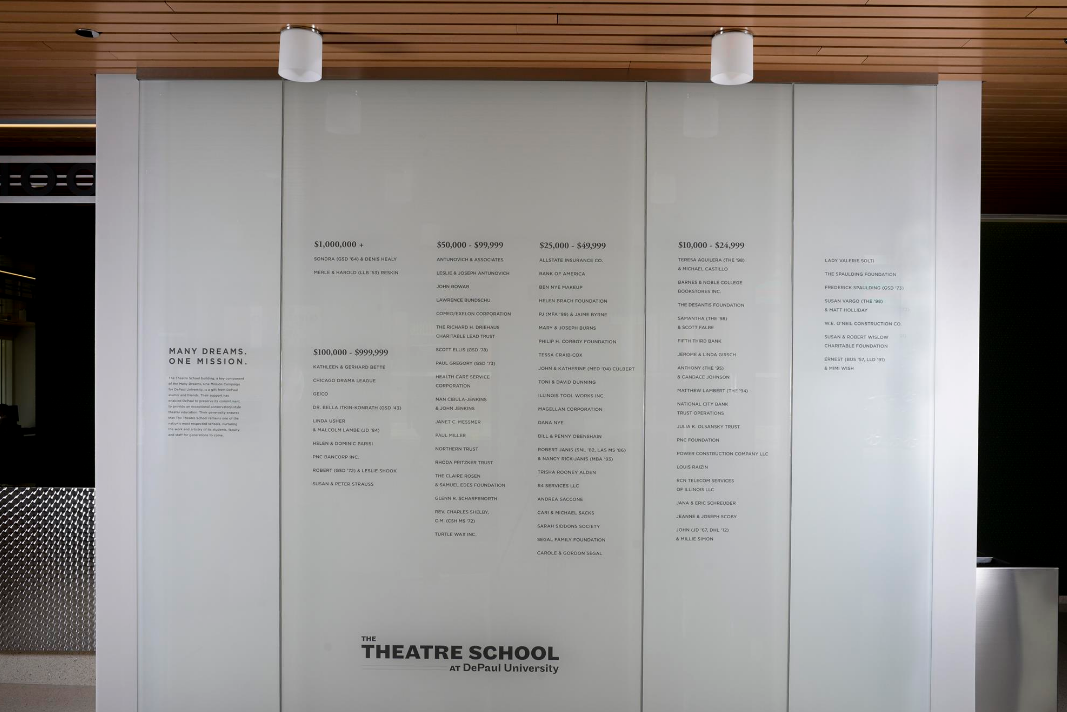
When planning a donor recognition display, one of the most common decisions organizations face is choosing between acrylic and glass. Both materials offer a sophisticated appearance and can be customized to create impactful donor walls. Understanding the differences between these options can help organizations select the solution that best meets their needs.
The Appeal of Acrylic Donor Walls
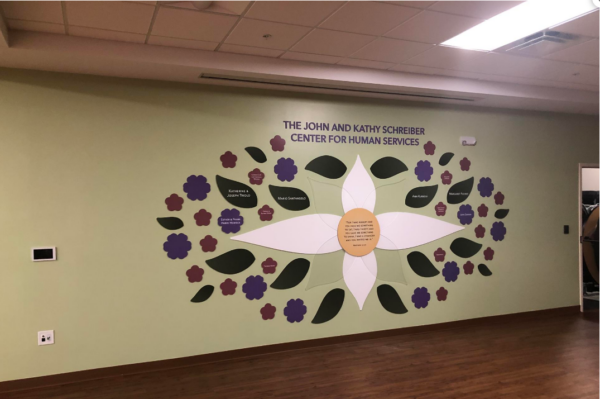
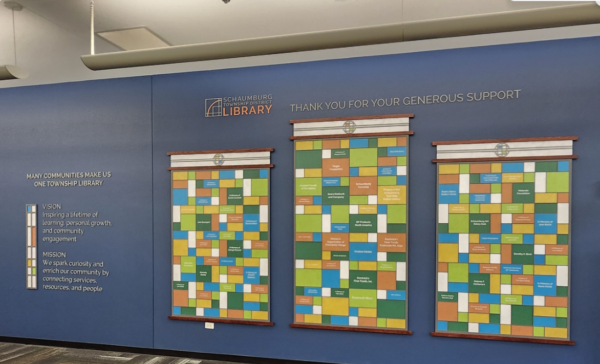
Acrylic donor walls have become increasingly popular because they combine versatility, durability, and affordability. Acrylic can be fabricated in a wide variety of shapes, sizes, and colors, making it suitable for both traditional and contemporary environments.
Many organizations appreciate acrylic because it is lightweight and easier to install than glass. It can also be updated relatively easily as donor recognition programs grow over time.
The Advantages of Glass Donor Walls
Glass donor walls are often associated with elegance and sophistication. Their clean appearance makes them an attractive option for universities, healthcare facilities, museums, and corporate environments.
Glass can be etched, frosted, printed, or combined with dimensional elements to create highly customized recognition displays. Many organizations select glass when they want to create a premium visual experience.
 Comparing Durability
Both acrylic and glass are durable materials, but they perform differently in certain environments.
Acrylic is highly resistant to impact and less likely to shatter if struck. Glass offers excellent scratch resistance and maintains its appearance over time, though it can be more vulnerable to breakage under significant impact.
The ideal choice often depends on the installation location and expected traffic levels.
Cost Considerations
In many cases, acrylic donor walls are more cost-effective than glass. Material costs, fabrication requirements, and installation expenses are often lower with acrylic systems.
Glass installations may require specialized handling and hardware, which can increase overall project costs.
Design Flexibility
Acrylic offers exceptional design flexibility and can easily accommodate layered effects, dimensional graphics, and future updates. Glass also supports a wide range of design options but may involve more complex fabrication processes.
Organizations that anticipate frequent updates often find acrylic to be the more adaptable solution.
 Which Material Is Right for Your Organization?
Both acrylic and glass donor walls can create beautiful and meaningful recognition experiences. Acrylic is often selected for its affordability, flexibility, and ease of maintenance, while glass is chosen for its premium appearance and timeless elegance.
By evaluating budget, aesthetics, maintenance requirements, and long-term goals, organizations can select the material that best supports their donor recognition strategy and enhances the visitor experience.