
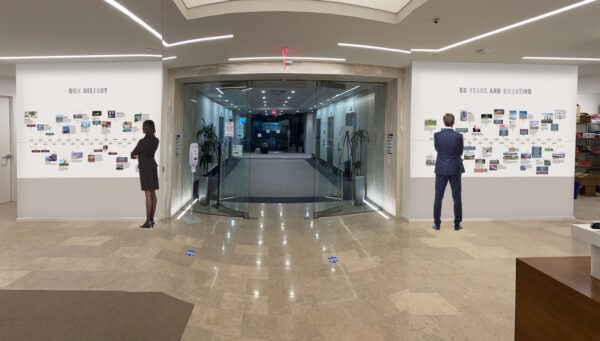
History Timeline Wall Design
Company History Walls: A Fresh Take in Corporate Interiors
In today’s fast-paced corporate world, where modern design, cutting-edge technology, and sleek aesthetics dominate office spaces, there’s a growing trend that’s taking many companies by surprise—company history walls. These vibrant, storytelling displays of a company’s heritage are making waves in corporate interiors, blending history with innovation to create immersive and engaging work environments. But what’s behind this trend? And why are history walls becoming such a powerful design tool for organizations?
A New Approach to Corporate Design
For decades, the design of corporate interiors focused primarily on functionality and efficiency. Cubicles, open-plan offices, and minimalist furnishings were the norm, all aimed at maximizing productivity. However, as organizations seek to foster more personalized, authentic, and inspiring workspaces, there’s been a shift toward creating environments that reflect not just what a company does, but who they are.
This is where company history walls come into play. At their core, these walls celebrate the journey of a company—its origins, milestones, values, and culture. Often placed in key areas like lobbies, break rooms, and hallways, history walls go beyond simple décor. They engage employees and visitors alike, providing a tangible connection to the company’s past and its evolution.

Movable company history timeline wall using acrylic panels with magnetic strips
What Are Company History Walls?
Company history walls are visual installations that chronicle the narrative of an organization’s journey. They can feature everything from a timeline of major events, notable achievements, and key product launches, to photos of the founders, early employees, and significant moments that shaped the company’s identity.
Some history walls go beyond static images and words by incorporating interactive elements. Touchscreens, digital kiosks, and augmented reality features can allow visitors to explore deeper layers of the company’s past, from video clips to employee stories. For larger organizations, these walls can become a multimedia experience, one that tells the story not just with words, but through sound, motion, and personal anecdotes.
Why Company History Walls Matter in Corporate Interiors
- Reflecting Brand Identity
The company’s story is an essential part of its brand identity. History walls act as a powerful branding tool, reflecting a company’s core values, mission, and vision. When visitors and employees see the company’s history laid out visually, it reinforces the company’s ethos and gives deeper meaning to the brand.
A well-curated history wall showcases the journey of a brand and positions it as a dynamic entity—one that evolves with time but remains anchored in its foundational principles. This storytelling is an essential part of modern branding, where authenticity and emotional connections with customers and employees are more important than ever. - Fostering Employee Pride and Engagement
In many organizations, employees are deeply engaged with the work they do, but their connection to the company’s history and legacy may be less defined. History walls bridge this gap, offering employees a tangible link to the past and a clearer sense of belonging.
When employees can see how their work fits into a larger historical context, it helps them appreciate their roles within the organization. They begin to understand that their contributions are part of an ongoing story—one that started with a vision and continues to evolve with their efforts.
Moreover, history walls often feature stories about employee achievements, long-term staff, and founders who built the company from the ground up. This creates a culture where employees not only feel valued but also inspired to contribute to the company’s ongoing narrative. - Enhancing Office Aesthetics and Atmosphere
As corporate interior design evolves, there’s a growing emphasis on creating spaces that inspire creativity, collaboration, and comfort. History walls can transform dull or sterile environments into dynamic, engaging spaces that captivate attention and spark conversation.
Rather than relying solely on artwork or abstract décor, history walls provide a personal and relatable touch to the office design. They break up the monotony of blank walls and inject life into otherwise uninspiring spaces, making the work environment feel more intimate and human-centered.
The integration of history walls into office design often fosters a sense of place. They anchor the office in a sense of time and identity, making it a space that feels more connected to both its heritage and its future. In turn, employees are likely to feel more motivated and invested in their workspaces. - Creating Connections with Clients and Visitors
Visitors, clients, and potential partners often come to a company’s office with the hope of understanding more about the organization—what it stands for, how it operates, and what makes it unique. A company history wall serves as an excellent conversation starter and a great way to build trust and credibility.
By showcasing milestones like product innovations, philanthropic initiatives, or partnerships with other industry leaders, history walls communicate a company’s achievements and aspirations. These walls offer a compelling narrative of success, showing that the organization is grounded in a rich legacy while constantly looking toward the future. - Embracing Technology in Storytelling
While traditional history walls often rely on printed photos and text, there’s a growing trend of incorporating digital technology to make the experience more interactive. For example, some companies are integrating digital timelines, where visitors can scroll through key moments using touch screens. Others incorporate augmented reality (AR), allowing users to view additional content—like historical videos, 3D renderings, or archived commercials—through their smartphones or AR glasses.
The digital age has opened up new possibilities for how companies share their stories. Instead of simply telling the company’s history, these walls allow visitors and employees to experience it—creating a more engaging and personalized interaction. - Promoting Corporate Legacy and Continuity
For businesses that have been around for decades, or even centuries, a company history wall acts as a reminder of how far the organization has come. It provides historical continuity and assures employees that the company’s foundational values will always remain intact, even as new technologies and practices emerge.
In turn, a history wall helps maintain a sense of stability in times of change. Employees who see the long arc of a company’s success, setbacks, and growth over time can feel more secure in the knowledge that their company has weathered many storms before—and will continue to thrive.
Designing a Modern History Wall
Creating a compelling company history wall involves more than simply gathering old photos or printing a timeline. The key is to design an engaging, visually cohesive display that speaks to both the brand identity and the story behind the company. Here are some tips to consider when designing a modern history wall:
- Start with a Clear Narrative: Define the story you want to tell. Is it about overcoming challenges? Is it about innovation and creativity? Whatever the focus, ensure that the narrative is clear and engaging.
- Mix Formats and Media: Combine traditional photography, artwork, and text with modern formats like videos, audio recordings, and interactive elements to make the display more engaging.
- Incorporate Employee Stories: Showcase not just products and services, but the people behind the company. Include stories about the team members, their journey, and the roles they’ve played in the company’s growth.
- Keep it Authentic and Relevant: Avoid overly polished or generic displays. Authenticity is key—show both the successes and the challenges faced along the way.
- Create a Cohesive Design: Ensure the history wall fits seamlessly with the overall office design. Consider the space where the wall will be installed and use the right materials, colors, and lighting to enhance its impact.
Conclusion: The Future of Company History Walls
As companies continue to embrace the importance of culture, engagement, and brand storytelling, company history walls will play an increasingly significant role in corporate interiors. These walls not only celebrate the company’s past but also help build a deeper connection with employees, visitors, and clients alike.
By weaving the company’s legacy into the fabric of the workspace, history walls serve as powerful tools for shaping culture, enhancing design, and reinforcing a shared vision for the future. In a world that’s constantly changing, these walls offer a refreshing reminder of the value of history, continuity, and connection.