
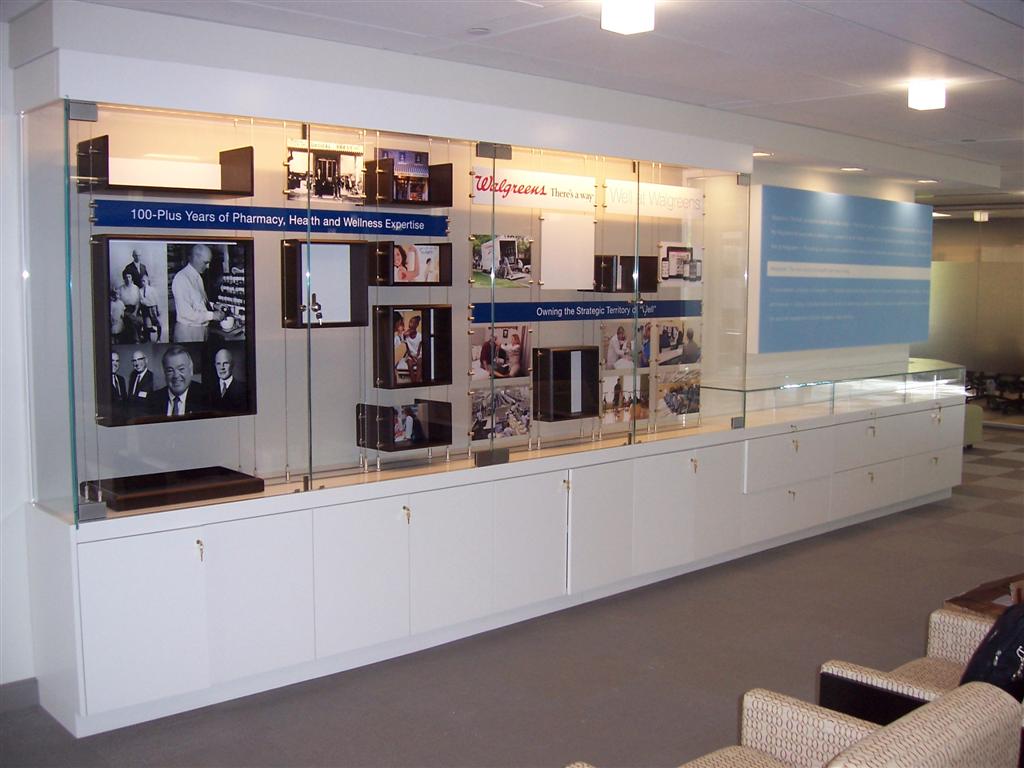
History wall commemorating 100 years of pharmacies.
The Art of Creating History Walls: Crafting a Visual Legacy for Corporate Spaces
In the realm of corporate interior design, where aesthetics, functionality, and branding all converge, one element has quietly but powerfully emerged: history walls. These captivating displays of a company’s story are much more than simple visual elements—they serve as living records that engage employees, impress clients, and reinforce brand identity. But how do you transform a blank wall into a compelling narrative of a company’s legacy? That’s where the art of creating history walls comes in.
What is a History Wall?
A history wall is a visual representation of a company’s journey over time. It’s a design feature that often incorporates photographs, timelines, important milestones, key product launches, employee stories, and significant events that have defined the organization. The goal is to engage viewers by telling a cohesive story that reflects the company’s mission, culture, and vision for the future.
Unlike static office décor, history walls are dynamic and immersive—they invite visitors and employees to pause, reflect, and appreciate the company’s evolution. They serve as both a historical archive and an emotional touchstone for those who interact with them.
Why Are History Walls Important?
Before diving into the creative process, it’s important to understand why history walls are gaining such traction in corporate spaces:
- Cultural Significance: In today’s fast-paced business world, where companies are constantly evolving, it’s easy for employees to forget the roots of their organization. History walls act as a reminder of the journey, values, and achievements that make the company unique. For employees, this fosters a sense of pride and connection to the larger narrative.
- Brand Reinforcement: History walls play a key role in reinforcing a company’s brand identity. By visually narrating the company’s growth, values, and achievements, history walls help external visitors—potential clients, partners, or customers—connect with the brand on a deeper level.
- Inspiration and Motivation: Seeing the evolution of a company can inspire employees to keep pushing forward. Whether it’s the story of overcoming challenges or celebrating long-term success, history walls create a sense of continuity and progress. It motivates employees to contribute to the company’s future story.
- Legacy and Continuity: For companies with long histories, such as those that have been around for decades or even centuries, history walls provide continuity. They help communicate that, while the company may be evolving, its core values and legacy remain unchanged.
The Creative Process: Steps to Crafting a History Wall
Creating a history wall is an art—an intricate blend of storytelling, design, and technology. Here’s a step-by-step guide to help you transform a simple wall into a powerful narrative tool:
- Define the Story
The first step in creating a history wall is to define the story you want to tell. What is the core message? What aspects of the company’s history should be highlighted? The story could focus on the company’s founding, its evolution over time, or specific events that shaped the business.
Consider the following questions:
- What is the company’s origin story? How and why was it founded?
- What challenges has the company faced? How has it overcome obstacles or adapted to change?
- What milestones or achievements are worth showcasing? Think about product launches, awards, anniversaries, or major shifts in strategy.
- Who are the key players in the company’s story? Founders, long-time employees, influential leaders—these are the people whose contributions have helped shape the company’s identity.
Once you’ve decided on the focus, develop a narrative arc. Like any great story, the company’s history should have a beginning, middle, and an ongoing “future.” This helps create an emotional connection with viewers, making them feel as though they’re a part of the company’s continuing journey.
- Gather Content and Visual Elements
A history wall is a visual medium, so it’s essential to curate compelling visual content. This could include:
- Photographs: These might include images of the company’s first office, its founders, early employees, and key events. Vintage photos, newspaper clippings, and snapshots of the team over the years can all add depth to the narrative.
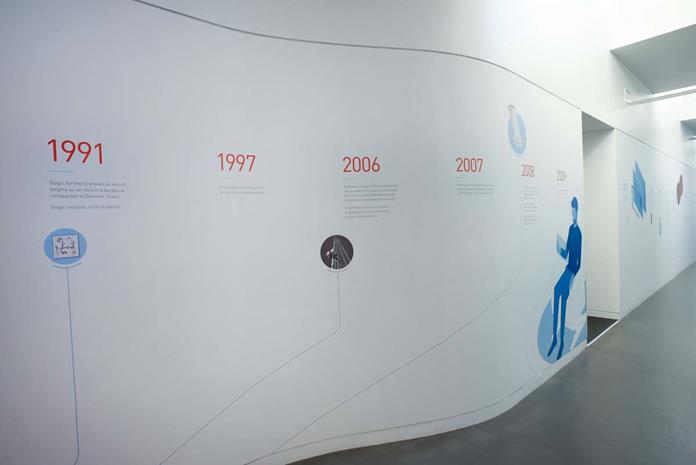
- Timelines: A well-designed timeline provides a structured, easy-to-follow overview of key events in the company’s history. A timeline offers an immediate visual reference to help people understand the company’s progression.
- Artifacts and Memorabilia: Physical objects, such as vintage products, original marketing materials, or old business cards, can add a tangible connection to the past.
- Employee Stories: Highlighting stories from employees—past and present—adds a personal touch. These might include testimonials, quotes, or anecdotes about key moments in the company’s history.
The goal is to find the right balance between visual elements and narrative content. Too many images might overwhelm the viewer, while too much text can make the wall feel like a dry corporate report. The trick is to weave together text, images, and interactive elements to tell a cohesive and engaging story.
- Choose the Right Medium and Format
When it comes to displaying your history wall, there are several different approaches and formats to consider. Here are some options:
- Traditional Static Wall: A classic approach is to use framed photographs, printed timelines, and other memorabilia to create a tactile, visually-rich display. This works well in environments where visitors or employees will spend time interacting with the wall.
- Digital History Walls: As digital technology continues to advance, many companies are opting for digital history walls that incorporate screens, touchpoints, or even augmented reality. These interactive installations allow viewers to explore the company’s history at their own pace, discovering multimedia content like videos, audio recordings, and employee stories.
- Hybrid Approaches: Some companies combine traditional and digital elements. For instance, a physical timeline might be accompanied by a digital display that offers deeper insights or additional content. This hybrid model enhances the interactive nature of the history wall while retaining the tangible feel of printed materials.
- Material Choices: Consider the materials you use for the wall itself. Wood, metal, glass, and fabric are all popular choices, but each medium offers a unique texture and feel. For example, using reclaimed wood might evoke a sense of nostalgia, while sleek metal might reflect a forward-thinking, modern approach.
- Design for Engagement
The design of the wall is just as important as the content itself. A history wall is not only about telling a story; it’s about creating a visual experience. Consider the following design principles:
- Flow and Readability: Ensure the content is easy to follow. Arrange information in a logical flow, whether through a linear timeline or thematic sections. Make sure text is legible, with a clear distinction between headlines, subheadings, and body text.
- Visual Hierarchy: Highlight key moments or individuals with larger images or bolder text. Use different fonts, colors, or graphic elements to guide the viewer’s eye and ensure they can easily identify the most important elements.
- Use of Space: Consider the architecture and scale of the space where the history wall will be installed. A large wall might allow for an expansive display, while smaller spaces may call for more intimate, focused storytelling. Pay attention to the wall’s interaction with its surroundings to create harmony within the space.
- Lighting: Lighting plays a crucial role in creating mood and highlighting key elements. Use spotlights or backlighting to accentuate important parts of the history wall and ensure visibility, especially in dimly lit areas.
- Update and Maintain
The best history walls aren’t static—they evolve with the company. As the company grows and achieves new milestones, it’s important to keep the wall up to date. Regular updates ensure that the history wall remains relevant, continuously engaging employees and visitors with fresh content.
Conclusion: The Art of Storytelling Through Design
Creating a history wall is an art form that combines storytelling, design, and history in a way that celebrates a company’s legacy while inspiring its future. A well-crafted history wall goes beyond being a decorative feature; it becomes a dynamic, living part of the corporate environment that fosters pride, promotes engagement, and reinforces brand identity.
In the end, the art of creating a history wall is about more than just showcasing the past—it’s about creating a visual narrative that connects the dots between where the company came from and where it’s going, all while providing a space for employees, clients, and visitors to connect with its enduring legacy.